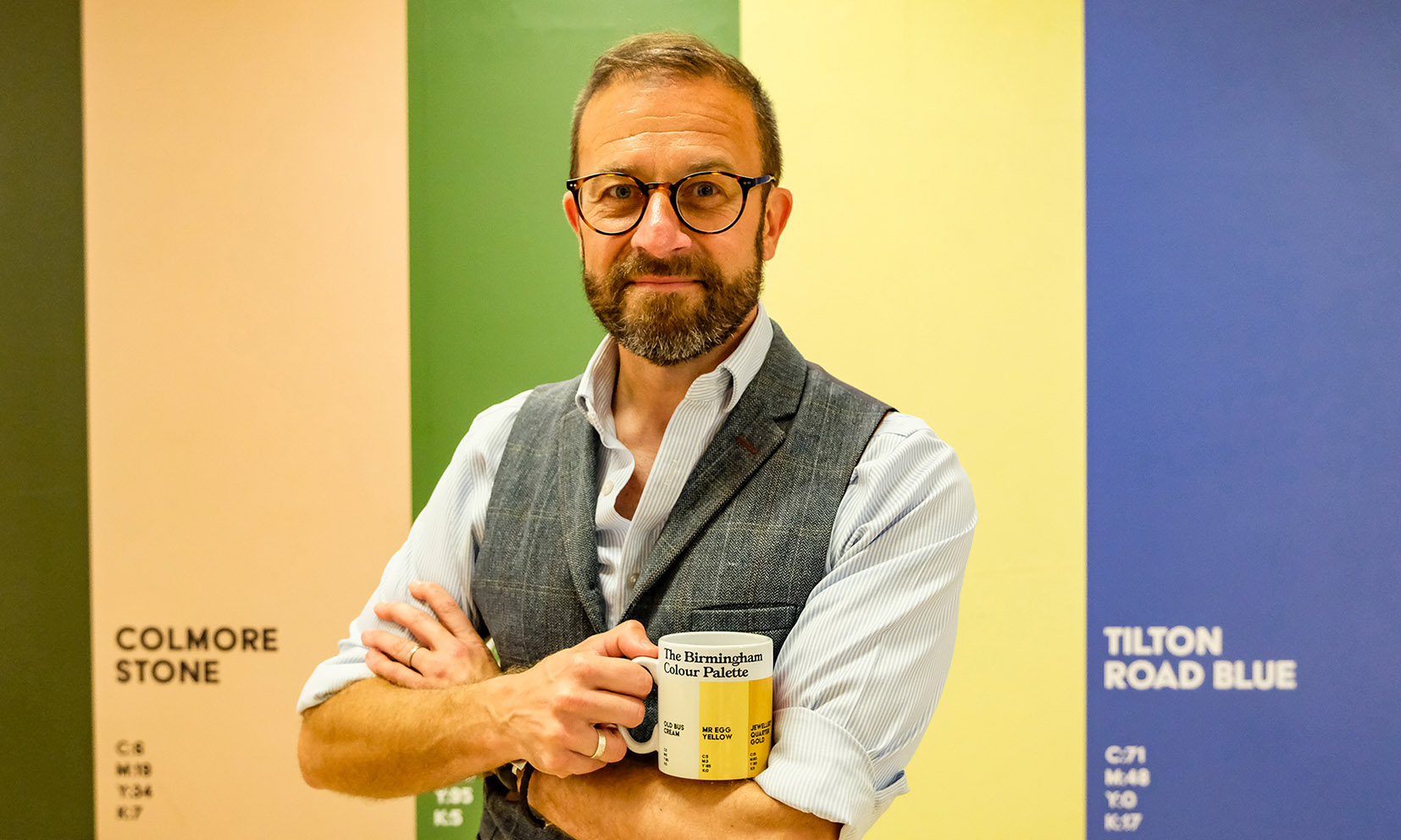

A CMO’s insights into effective marketing strategy
The average company spends 7-10% of revenue on marketing, according to Gartner. Yet, many still fail to make the most of campaigns, with everything from internal issues to a lack of insight hindering progress. We spoke to Julia Payne – Founder of Fractional CMO Services, with decades of marketing experience – to discuss best practices and learn how to avoid the most common pitfalls.
Hi Julia. Could you share your journey into marketing with us. What led you to launch Fractional CMO services?
Whilst working in sales, I realised a lack of communication with marketing was holding things back. So, I started building collaboration and eliminating silos to improve outcomes. I became so passionate about how marketing influenced sales that I switched to marketing and eventually co-founded a marketing agency, which I led for 15 years. My agency had a strategy-first approach, working with teams to build their strategic marketing foundations such as their ideal customer, value proposition and messaging. This massively improved lead quality and count. This led to me founding Fractional CMO Services, which specialises in marketing strategies
What have been the most defining moments of your career so far?
Becoming the CEO of a mid-sized leadership consultancy changed how I understand progress. I stopped focusing on individual employee results, instead, building strong cultures to support collaborative teams – realising the biggest impact comes from people. Bringing out strengths and offering opportunities for continuous development builds the trust needed for real success and growth.
How has your approach to marketing evolved since you started working in the industry?
I’ve retired my company-first approach, realising that effective marketing is all about the customer and what they can gain – not what the brand or product can offer. Messaging needs to resonate and be rooted in empathy, showing brands understand real-world customer pain points and motivations.
That’s why I’m no longer governed solely by data. I’ll take key numbers into account, but this will never be at the expense of qualitative insights like consumer feedback or behavioural patterns. It’s the combination of the two – analytics plus a people-first approach – that replaces quick wins with sustainable growth. Viewing individual campaigns as part of a wider marketing ecosystem helps with long-term progress, too.
In your experience, what do growing businesses often misunderstand about marketing and what common mistakes do they make?
Many brands focus on generating leads from single campaigns before falling silent, losing vital momentum. But you need continuous, strategic effort for marketing to be successful.
Then, there’s the lack of alignment between internal marketing, product, sales and customer-service teams, which culminates in confusing messaging for consumers and missed opportunities for the business. Companies need to agree on shared brand goals – replacing vanity metrics such as the number of leads with strategic investment into building brand equity, trust and consumer retention. This is only possible when marketing is seen as part and parcel of the wider business.
Are there any core marketing principles you believe all businesses should abide by?
Yes. Businesses of any size, in any sector, must prioritise the customer. When you know your audience – who they are, what they need and how they make decisions – guesswork turns into the basis of a strategy. So, these things must be clearly defined before jumping into campaigns. Remain consistent and you’ll build brand presence, boost credibility and create results that are longer lasting.
How important is alignment between marketing and the wider business strategy? And what happens when it’s missing?
Without alignment, you cannot grow. All campaigns, content, and customer interactions must come together to reinforce and support the company’s direction. Otherwise, you’ll get a flurry of disparate activity that might look impressive now – but fails to deliver in the longer term.
Finally, what does the future of marketing look like to you? How should businesses prepare for it?
Make the customer journey as smooth, authentic and personalised as possible. Modern buyers expect brands to understand them. By replacing generic messaging with more targeted, data-driven experiences, which can be enhanced by AI, companies can connect with consumers on a deeper level. Just make sure human teams are supporting any digital efforts – without internal silos standing in the way of success. It’s all about building trust and relatability, using empathy to gain market agility, which is the foundation for future success.